How Solar Power Works
Solar energy is a great alternative for anyone who values independence and efficiency. Learn how sunlight becomes electricity for your home or business.
From Sunlight to Savings
Understanding the key components of a solar energy system
The Solar Panel
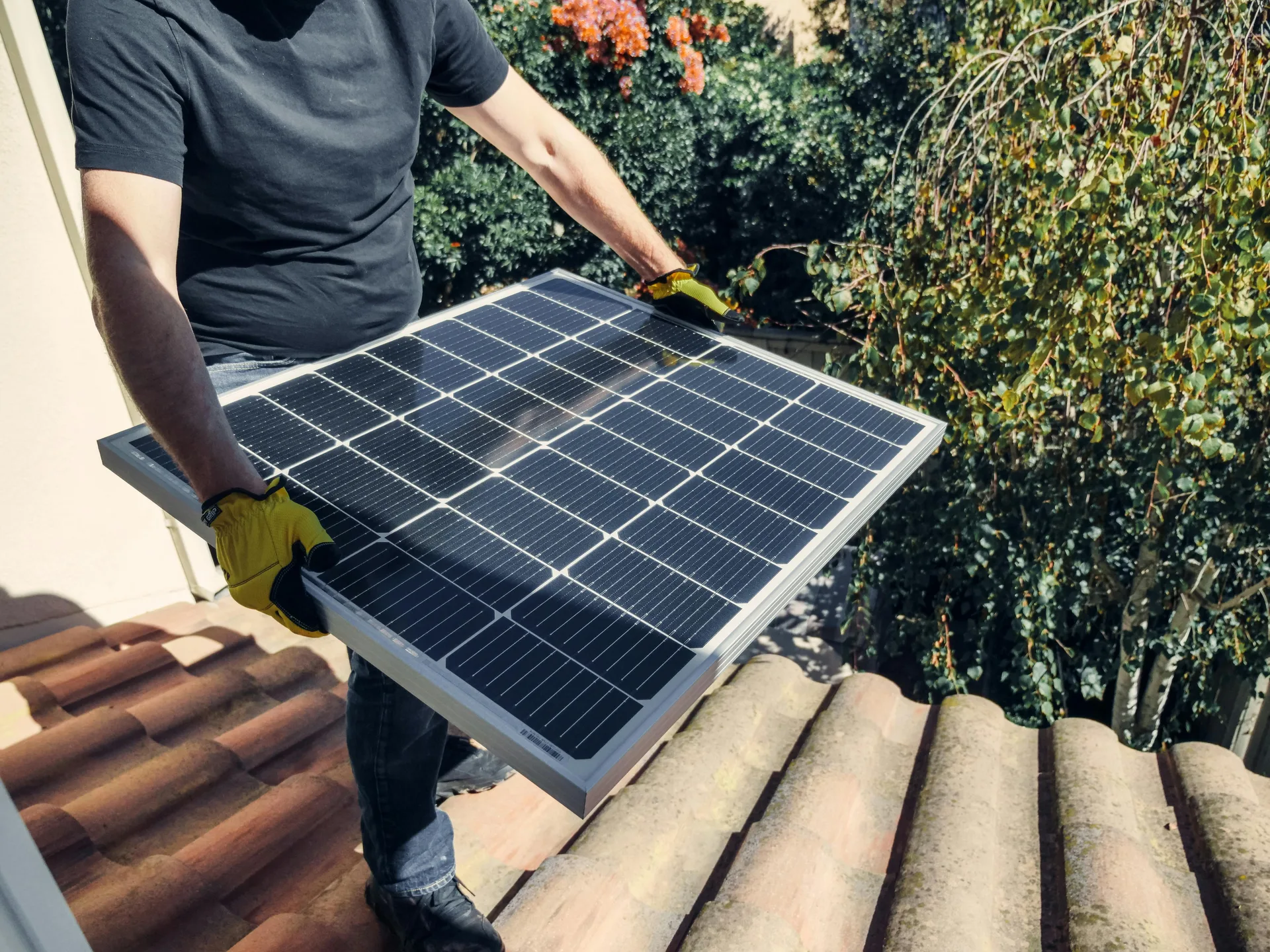
A solar panel (or module) is a plate-like structure made of silicon cells. When sunlight hits these cells, it frees negatively-charged electrons, creating a flow of direct current (DC) electricity.
The Solar Inverter
Homes use alternating current (AC) electricity. The inverter converts the DC power produced by your panels into AC power your home can use — it's the bridge between your panels and your outlets.
Panel Efficiency
Efficiency measures how much sunlight a panel converts to electricity. More efficient panels mean fewer panels needed, saving roof space and maximizing your investment.
Your Utility Meter
Your utility meter tracks how much solar electricity your system produces. With net metering, you earn bill credits for excess electricity you generate but don't use.
Cost Advantage
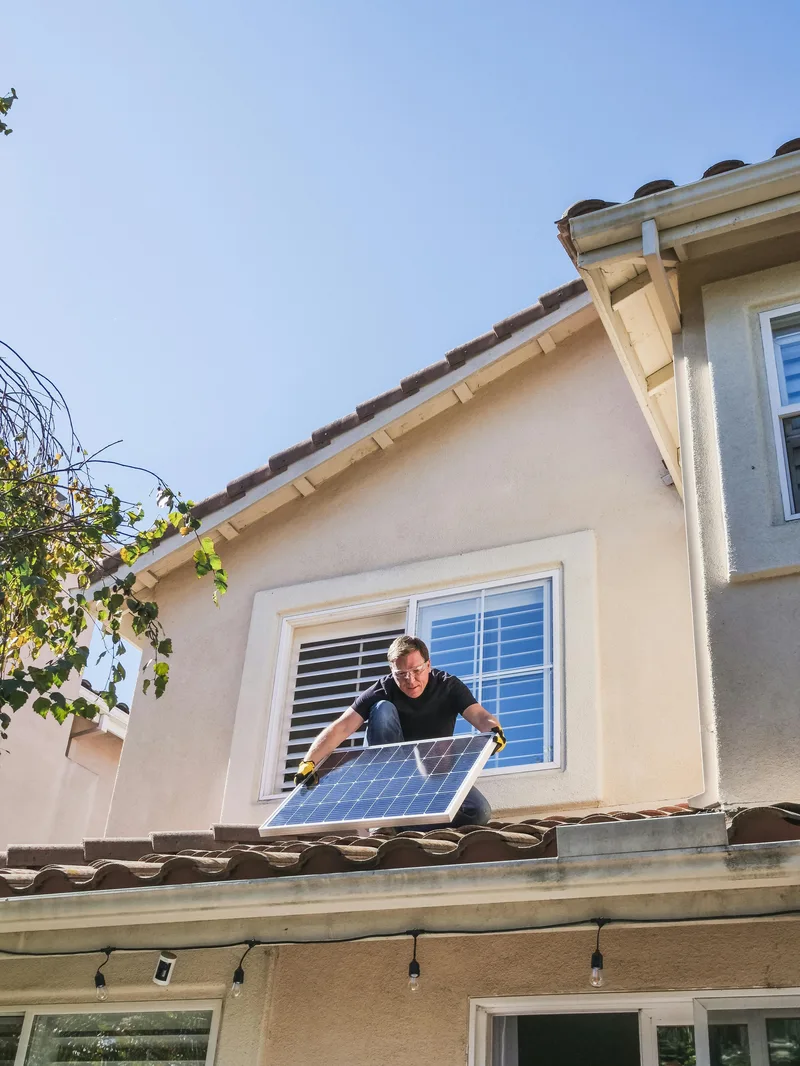
Free fuel (sunlight) is just one advantage. Rooftop solar is on-site energy — no transmission losses, no middlemen, and predictable costs for decades.
Storage & Off-Grid
Most solar homes stay grid-connected for backup. But with battery storage or home microgrids, you can achieve even greater energy independence.

Ready to Harness the Sun?
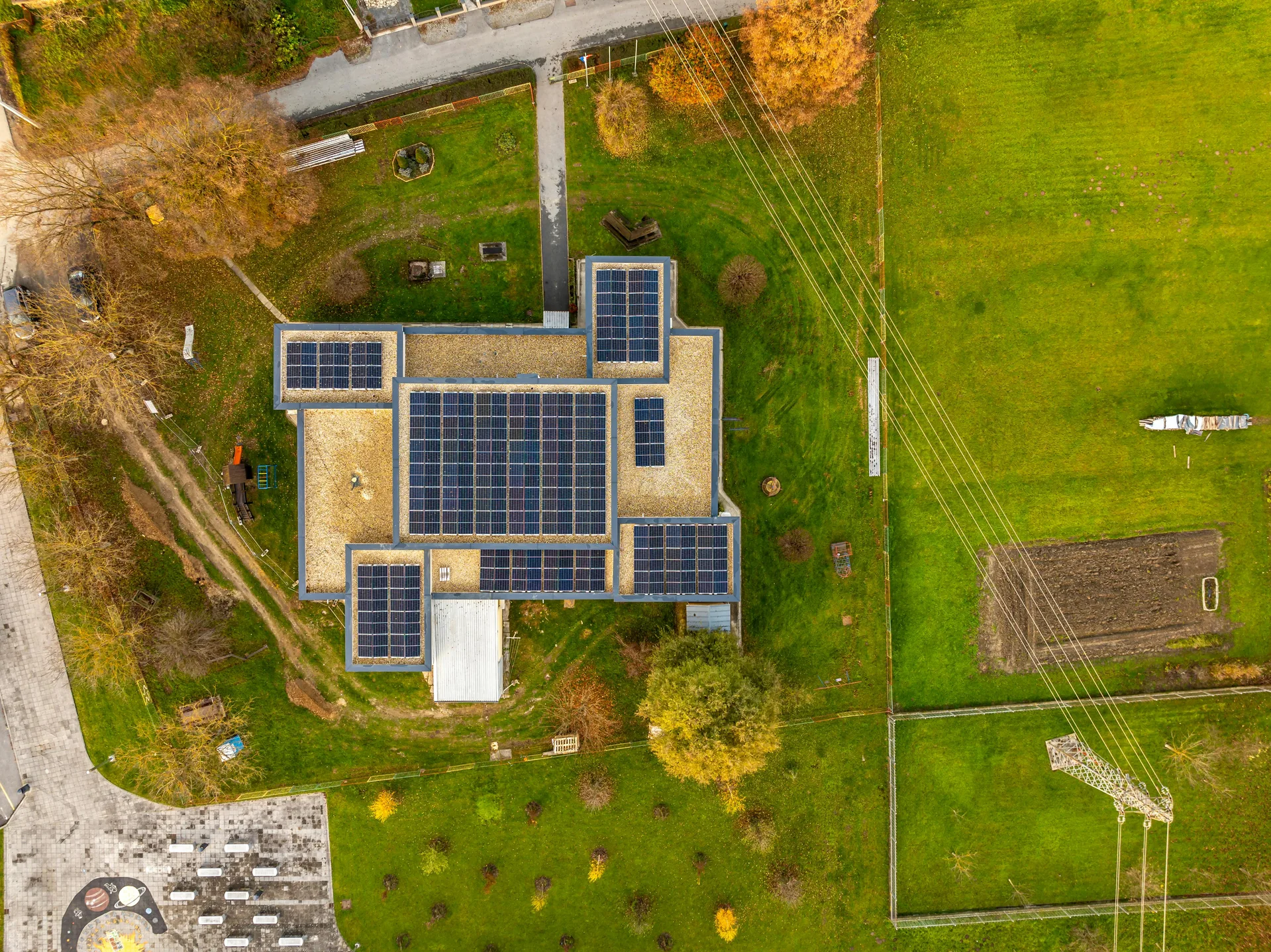
Contact us for a free consultation and learn how solar can work for your home or business.